
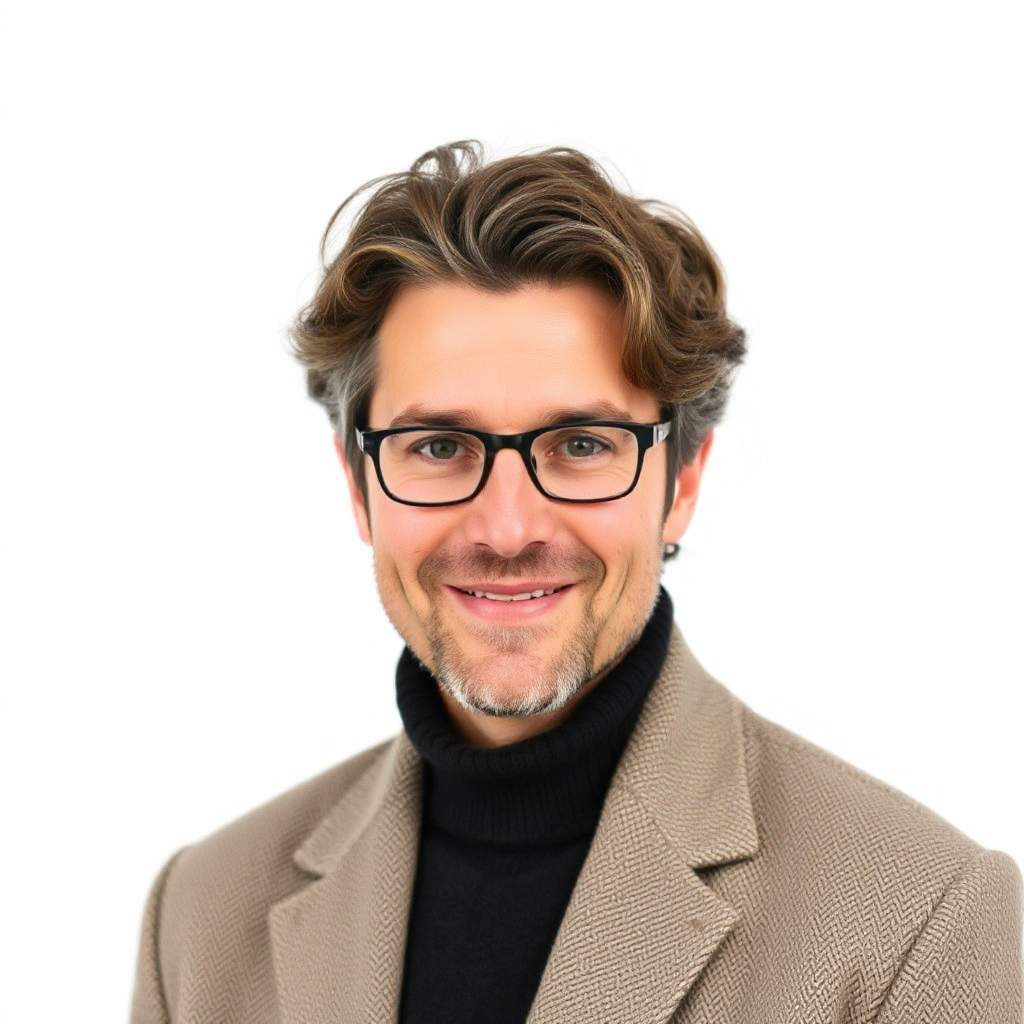

How does it feel to negotiate with Moscow's representatives regarding the conflict in the region?
This inquiry has generated considerable curiosity in the wake of several recent rounds of peace discussions, which until now appeared to produce minimal fruit four years since Russia's full-scale military offensive.
Another round of American-facilitated negotiations is likely to take place in the Swiss city in the coming days. Ahead of it, an important participant of the Ukrainian leadership's negotiating team, Sergiy Kyslytsya, who has taken part in recent military-to-military discussions, has shared his perspective.
According to the negotiator, these interactions are professional and mostly devoid of the sort of political and rhetorical grandstanding observed elsewhere by Russian leadership.
"The military have a superior understanding of the realities in the battlefield," he remarked during a conversation earlier this week.
"It's another thing if they [the Russians] are capable, or not, of reporting [back] directly…without altering or changing the information," he continued.
It is not an easy thing to try to end a war. The reality of the battlefield in eastern Ukraine - where tens of thousands of unmanned aerial vehicles patrol and strike over a huge so-called "contested area" between the two sides, while two hundred thousand Ukrainian residents still reside in the "heavily fortified" urban areas of the Donbas - makes the technical business of separation highly complex.
"It is essential to have a clear framework of guidelines and procedures," the diplomat said, "and a way to verify and oversee."
The Involvement of External Parties
A great deal of these preparations, he said, is complete, partly due to the close involvement of American officials, including a senior NATO commander and a high-ranking Army official.
It's obviously against Ukraine's interest to criticise representatives of the American administration, but when he compliments the American team for its work, he comes across as sincere.
"We have to acknowledge the US side for their dedication and their patience," he states, "because they sit in the sessions non-stop. They don't only watch…they ask questions and they listen to our answers."
Kyslytsya was equally positive about the contributions played by the former president's adviser, whom he described as "experienced", and wealthy envoy Steve Witkoff, whom he described as "a much wiser individual than the caricature image often presented in the media".
The US, he asserted, will undertake a key role in monitoring any future ceasefire, with capabilities encompassing orbital and other types of advanced monitoring.
"It is necessary to have someone who will play the role of adjudication, for the reason that if there is a breach there must be a third party that is solid [and] authoritative."

Past and Current Oversight Realities
During an eight-year period before the major offensive in recent years, this oversight function was played by the OSCE - a body whose restricted means and absence of enforcement mechanisms rendered it largely unable of averting an intensification.
"It was no small feat [for them] simply to have a couple of drones airborne above the territory," he commented. "It resembles the stone age period in contrast with what we have now."
By contrast, latest analyses indicate that as many as 12,000 drones are active above the single city of Pokrovsk at any given moment.
A Personal Perspective on Facing the Opposition
Inquired how he managed to negotiate directly from delegates representing a leader in the Russian government who has shown readiness to expend more than a million-plus of his country's soldiers to conquer its neighbor, the diplomat, also a former UN ambassador, offered his answer.
He told that he'd had a long time of practice.
"I witnessed far more difficult situations. I served five years in at the UN, three of them before the major war. I would sit in the room with the adversary on a frequent basis."
One evening is seared in his memory: 23 February 2022.
During an emergency UN Security Council meeting, called to discuss the looming threat in the country, the diplomat got word that his homeland was being assaulted.
At the same time, far away to the east in the capital, the first distant explosions were heard as the total assault on Ukraine commenced.
During moments of agonising tension, Kyslytsya tried to persuade his Russian counterpart, Vassily Nebenzia, to contact his superior, Foreign Minister Sergei Lavrov, to seek guarantees that Russian forces would not invade.
"I've already said everything I know now," Nebenzia replied, according to his Ukrainian colleague. "I will not disturb the minister at this time."
Everyone's lives changed at that moment. Kyslytsya remained at the UN for another three years prior to going back to the Ukrainian capital.
The Path Ahead
If the negotiating teams reconvene in Geneva on Thursday, he will participate, still working through the details and logistics of a ceasefire but waiting all the while for the most important element of the jigsaw to be resolved.
"Hostilities could be stopped by simply a single order of one person to his military chief of staff," he stated.
"However, the Russian president [Vladimir Putin] is not up to stopping the conflict for the time being."


